Medically reviewed by Dr. Amy Killen, MD, a board-certified physician specializing in hormone optimization and longevity medicine.
Quick answer: what is the best hot flash treatment?
The most effective hot flash treatment is menopausal hormone therapy (estrogen, plus a progestogen if you have a uterus). If you cannot or do not want to take hormones, non-hormonal prescription options such as fezolinetant, elinzanetant, certain antidepressants, and gabapentin are the next best choices. Lifestyle changes and cognitive behavioral therapy help some women but are generally less powerful.
Hot flashes, also called vasomotor symptoms, affect most women during the menopausal transition. They are caused by changes in estrogen that make the brain’s temperature-control center more sensitive to small shifts in body temperature. Below is every major hot flash treatment option, ranked roughly by how well it works.
Hot flash treatment options ranked by effectiveness
| Rank | Option | Strength of evidence | Key consideration |
|---|---|---|---|
| 1 | Hormone therapy (estrogen) | Strongest | Needs individual risk review |
| 2 | Neurokinin receptor blockers (fezolinetant, elinzanetant) | Strong | Liver monitoring with fezolinetant |
| 3 | SSRIs and SNRIs | Moderate | Avoid paroxetine with tamoxifen |
| 4 | Gabapentin, oxybutynin, clonidine | Moderate | Side effects can limit use |
| 5 | CBT and clinical hypnosis | Moderate | Reduces bother more than frequency |
| 6 | Lifestyle changes | Limited | Low risk, modest benefit |
| 7 | Supplements and herbal products | Weak or inconsistent | Quality varies; not well proven |
1. Hormone therapy: the most effective hot flash treatment
Estrogen is the gold-standard hot flash treatment. It can be given as a patch, gel, spray, pill, or vaginal ring that delivers systemic doses. Women with a uterus also need a progestogen to protect the uterine lining.
For healthy women under 60 or within 10 years of menopause onset, major menopause societies generally consider the benefits of hormone therapy to outweigh the risks for treating bothersome hot flashes. Transdermal estrogen (patch or gel) is often preferred because it appears to carry a lower clotting risk than oral estrogen.
Hormone therapy is not appropriate for everyone. A history of certain hormone-sensitive cancers, unexplained vaginal bleeding, active liver disease, or prior blood clots or stroke usually rules it out or requires specialist input.
2. Non-hormonal prescription options for hot flashes
Fezolinetant (Veozah)
Fezolinetant is an FDA-approved neurokinin 3 receptor antagonist. It works on the brain pathway that drives hot flashes rather than on estrogen. It carries a boxed warning for rare liver injury, and liver blood tests are required before and during treatment.
Elinzanetant (Lynkuet)
Elinzanetant is a newer neurokinin receptor blocker also approved for moderate to severe hot flashes. It may also help sleep disturbance linked to menopause. Ask your clinician about current labeling and monitoring requirements.
Antidepressants (SSRIs and SNRIs)
Low-dose paroxetine (Brisdelle) is FDA-approved for hot flashes. Venlafaxine and escitalopram are also commonly used and can reduce hot flashes by roughly a quarter to a half in studies. These are often first choices for women with a history of breast cancer. Paroxetine should be avoided in women taking tamoxifen because it can reduce tamoxifen’s effectiveness.
Gabapentin, oxybutynin, and clonidine
Gabapentin, especially at bedtime, can help nighttime hot flashes. Oxybutynin, a bladder medication, has shown benefit in trials. Clonidine is less effective and can cause low blood pressure and dry mouth.
Not sure which hot flash treatment fits your stage? Hot flashes often start in perimenopause, years before periods stop. Download my free Perimenopause Guide for a clear breakdown of symptoms, timing, and your options.
3. Cognitive behavioral therapy and clinical hypnosis
Cognitive behavioral therapy (CBT) and clinical hypnosis have evidence for making hot flashes less bothersome and improving sleep and mood. They tend to change how disruptive hot flashes feel more than how often they happen. They carry no medication risks and can be combined with any other treatment.
4. Lifestyle changes that may reduce hot flashes
Lifestyle measures are worth trying but should be viewed as supportive, not a replacement for medical treatment when symptoms are severe.
- Identify triggers. Alcohol, spicy food, caffeine, and hot environments trigger hot flashes in some women.
- Dress in layers and keep the bedroom cool. A fan or cooling bedding can help at night.
- Stop smoking. Smoking is associated with more frequent and more severe hot flashes.
- Manage weight. Higher body weight is associated with more bothersome hot flashes in many studies, though weight loss trial results are mixed.
- Exercise regularly for overall health, even though it has not been shown to reliably reduce hot flashes directly.
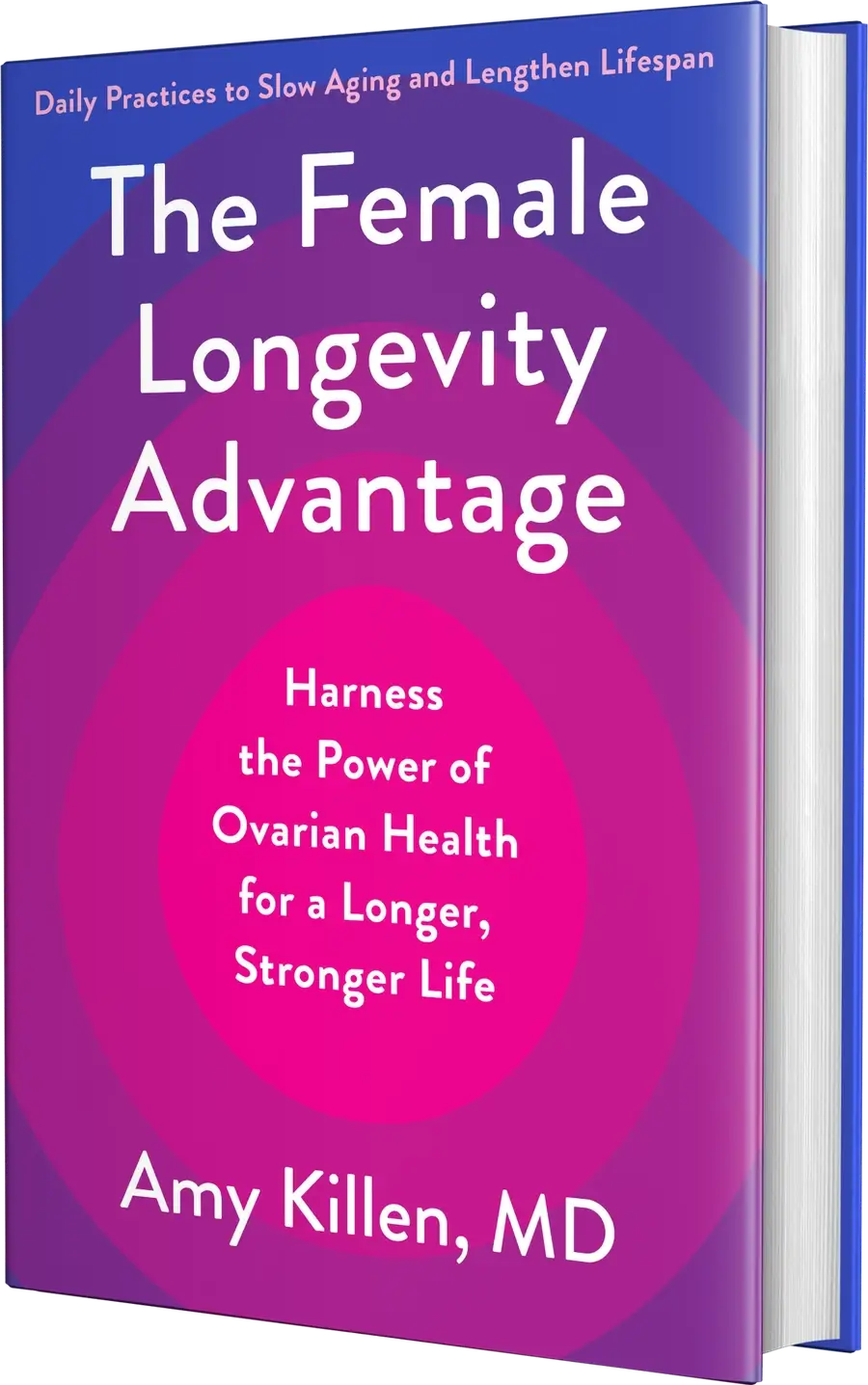
My new book · On sale February 23, 2027
The Female Longevity Advantage
Women outlive men by almost five years. Almost nobody asks why. My book is the playbook for how female bodies actually age, and how to keep the advantage you were born with. Pre-order in any format and get three free bonuses.
5. Supplements and herbal products: what the evidence shows
Black cohosh, soy isoflavones, red clover, evening primrose oil, and vitamin E have been studied for hot flashes. Results are inconsistent, and most high-quality trials show little to no benefit beyond placebo. Supplements are not held to the same quality standards as medications, and some, such as black cohosh, have been linked to rare liver injury. Acupuncture has also produced mixed results. If you use a supplement, tell your clinician, especially if you take other medications.
How to choose a hot flash treatment
The right choice depends on your age, time since your last period, personal and family history of breast cancer, blood clots, heart disease, and liver disease, and how much your symptoms disrupt sleep and daily life. Many women do well with hormone therapy. Others do better with a non-hormonal option. Treatment can be adjusted or combined over time.
See a clinician promptly if you have hot flashes with unexplained weight loss, a racing heart, or bleeding after menopause. Other conditions, including thyroid disease, can mimic or worsen hot flashes.
Frequently asked questions
What is the most effective hot flash treatment?
Menopausal hormone therapy, usually estrogen with a progestogen if you have a uterus, is the most effective hot flash treatment. It typically reduces the frequency and severity of hot flashes substantially.
What can I take for hot flashes if I can’t use estrogen?
Options include fezolinetant (Veozah), elinzanetant (Lynkuet), low-dose paroxetine, venlafaxine, escitalopram, gabapentin, and oxybutynin. Which one fits depends on your health history and other medications.
Do natural remedies like black cohosh or soy work for hot flashes?
The evidence is weak and inconsistent. Studies of black cohosh and soy isoflavones show mixed results at best, and supplements are not regulated like medications, so quality varies.
How long do hot flashes last?
Many women have hot flashes for several years, and studies suggest the median duration is roughly seven years. Some women have them for a decade or longer.
Want evidence-based menopause and longevity medicine in your inbox? Get my weekly newsletter.
This article is for educational purposes only and is not individual medical advice; talk with your own clinician before starting or changing any treatment.