Medically reviewed by Dr. Amy Killen, MD, a board-certified physician specializing in hormone optimization and longevity medicine.
Quick answer: Vaginal estrogen benefits include relief from vaginal dryness, burning, and painful sex, plus a reduction in urinary urgency and recurrent UTIs caused by genitourinary syndrome of menopause (GSM). Because it’s applied locally, very little reaches the bloodstream, making it a different risk profile than systemic hormone therapy. Most women see improvement within a few weeks of consistent use.
What Is GSM (Genitourinary Syndrome of Menopause)?
GSM is the umbrella term for the changes that happen to vaginal, vulvar, and urinary tissue when estrogen declines around menopause. Estrogen receptors are dense in this tissue, so when estrogen drops, the vaginal walls thin, lose elasticity, and produce less natural lubrication. The result is a cluster of symptoms: dryness, itching, burning, pain with intercourse, and a higher susceptibility to urinary tract infections and urinary urgency.
Studies suggest GSM affects roughly half of postmenopausal women, yet it remains one of the most under-treated conditions in menopause care. Unlike hot flashes, which tend to fade over time, GSM is progressive — it typically gets worse, not better, without treatment.
The Vaginal Estrogen Benefits Most Women Never Hear About
Local vaginal estrogen restores estrogen directly to the tissue that needs it. The documented benefits include:
- Restored vaginal moisture and elasticity — reversing thinning and dryness of the vaginal walls
- Less pain with intercourse — one of the most common reasons women stop being sexually active after menopause
- Fewer recurrent UTIs — vaginal estrogen changes the vaginal microbiome in ways that reduce the bacteria associated with urinary infections
- Reduced urinary urgency and irritation — because urethral and bladder tissue also responds to estrogen
- Improved comfort with daily activities — sitting, exercise, and wearing tighter clothing can all be affected by untreated GSM
These aren’t marginal quality-of-life improvements. For many women, GSM is the difference between an active sex life and avoiding intimacy altogether, or between occasional discomfort and recurring antibiotic courses for UTIs.
Is Vaginal Estrogen Safe?
Vaginal estrogen products carry a class-wide warning on their labeling that was extrapolated from studies of systemic (oral and transdermal) hormone therapy. Many menopause specialists consider this labeling overly broad for low-dose vaginal products, since systemic absorption is minimal and blood estrogen levels typically stay within the normal postmenopausal range with standard dosing.
For most healthy postmenopausal women, low-dose vaginal estrogen is considered safe for long-term use. Women with a personal history of breast cancer, uterine cancer, or unexplained vaginal bleeding should discuss vaginal estrogen with their oncologist or gynecologist before starting, since the right answer depends on individual cancer history and risk factors — not a blanket rule.
Want a clear, judgment-free breakdown of what’s normal and what’s not when it comes to sex and menopause? Get my free Sexual Health Guide.
How Vaginal Estrogen Is Used
Vaginal estrogen comes in a few forms, and the right one is largely a matter of preference:
- Cream — applied with an applicator, typically daily for the first few weeks, then tapered to two to three times per week
- Vaginal tablet or insert — a small tablet placed in the vagina with a slim applicator, dosed on a similar taper-then-maintain schedule
- Vaginal ring — a flexible ring inserted and left in place, releasing a steady low dose for about three months before it’s replaced
Most women use a loading phase of daily or near-daily application for two to three weeks, then move to a maintenance dose of two to three times weekly. Because GSM is a chronic condition, treatment is generally ongoing — symptoms tend to recur within weeks to months of stopping.
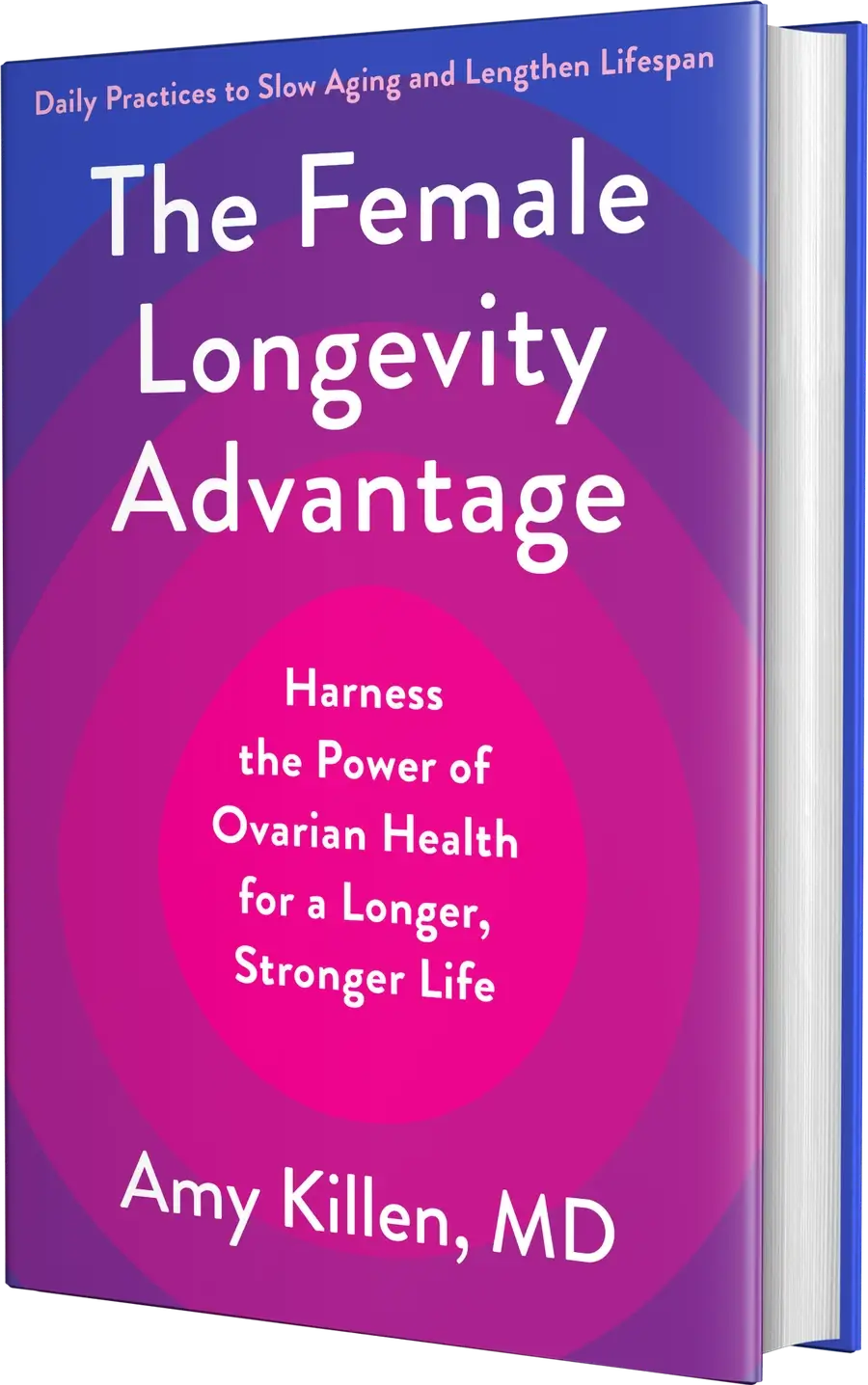
My new book · On sale February 23, 2027
The Female Longevity Advantage
Women outlive men by almost five years. Almost nobody asks why. My book is the playbook for how female bodies actually age, and how to keep the advantage you were born with. Pre-order in any format and get three free bonuses.
Vaginal Estrogen vs. Systemic Hormone Therapy
These are different tools for different problems. Systemic hormone therapy (oral pills, patches, or gels) treats body-wide symptoms like hot flashes, night sweats, and bone loss, and reaches nearly every tissue in the body. Vaginal estrogen treats the vaginal, vulvar, and urinary tissue specifically, with minimal effect elsewhere.
Some women only need vaginal estrogen. Others are on systemic therapy for hot flashes or bone health but still need vaginal estrogen added on top, because systemic doses don’t always fully resolve local GSM symptoms. The two are commonly used together and are not interchangeable.
Frequently Asked Questions
How long does it take for vaginal estrogen to work?
Most women notice improvement in dryness and comfort within a few weeks, with fuller benefit typically by 8 to 12 weeks of consistent use. Urinary symptoms and UTI frequency may take a bit longer to improve.
Is vaginal estrogen safe if I’ve had breast cancer?
This decision should be made with your oncologist. Because low-dose vaginal estrogen has minimal systemic absorption, many menopause specialists consider it a reasonable option for some breast cancer survivors with severe GSM symptoms, but it is not appropriate for everyone and requires individualized discussion.
Do I need to use vaginal estrogen forever?
GSM is a chronic, progressive condition, so symptoms generally return within weeks to months if treatment is stopped. Most women use vaginal estrogen as an ongoing, low-maintenance therapy rather than a short course.
Can I use vaginal estrogen without systemic hormone therapy?
Yes. Vaginal estrogen treats local genitourinary tissue and can be used on its own, even if you’re not a candidate for or not interested in systemic HRT. It can also be combined with systemic therapy if needed.
Want more straight-talk on hormones, sex, and healthy aging? Get my weekly newsletter.
This article is for educational purposes only and is not a substitute for individualized medical advice from your own physician.