Medically reviewed by Dr. Amy Killen, MD, a board-certified physician specializing in hormone optimization and longevity medicine.
Quick answer: Perimenopause weight gain happens because declining, fluctuating estrogen shifts fat storage toward the abdomen, while age-related muscle loss and a slowing metabolism reduce the calories your body burns at rest. The fix isn’t simply “eat less, move more” — it’s protecting muscle mass, managing insulin sensitivity, prioritizing sleep, and, for some women, addressing the hormonal shift directly with a physician.
Why does perimenopause cause weight gain?
Perimenopause weight gain is rarely caused by one factor alone. Several changes tend to happen at the same time:
- Estrogen decline and fluctuation. As estrogen levels become erratic and trend downward, fat storage tends to shift from the hips and thighs toward the abdomen. This is a change in where fat is stored, not just how much.
- Muscle loss (sarcopenia). Muscle mass declines gradually starting in your 30s, and this process appears to accelerate around the menopause transition. Because muscle is metabolically active tissue, less of it means a lower resting metabolic rate.
- Sleep disruption. Hot flashes and night sweats fragment sleep for many women during perimenopause. Poor sleep is well established to affect the hunger and satiety hormones ghrelin and leptin, which can increase appetite and cravings.
- Insulin sensitivity changes. Insulin sensitivity tends to decline with age, and estrogen loss appears to compound this, making it easier for the body to store calories as fat, particularly around the midsection.
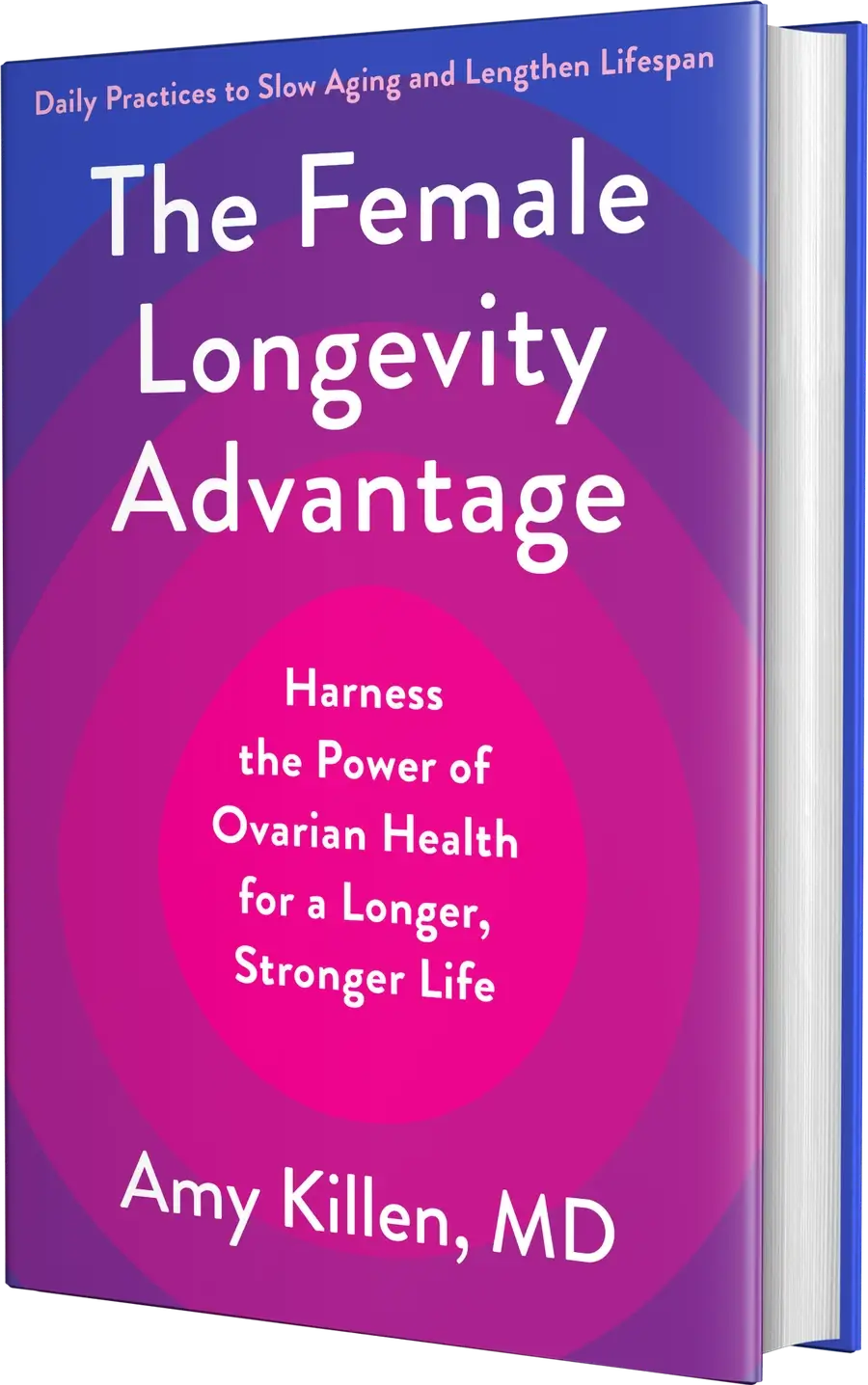
My new book · On sale February 23, 2027
The Female Longevity Advantage
Women outlive men by almost five years. Almost nobody asks why. My book is the playbook for how female bodies actually age, and how to keep the advantage you were born with. Pre-order in any format and get three free bonuses.
Perimenopause weight gain vs. normal aging: what’s different
Some of this is simply aging — muscle mass and metabolic rate decline gradually across adulthood regardless of hormonal status. What perimenopause adds is a more specific pattern: a redistribution of fat toward the abdomen (visceral fat) that can happen even in women whose total body weight stays roughly stable. This is why many women say their clothes fit differently around the waist before the scale reflects much change at all.
Where the weight tends to go — and why it matters
Visceral fat — the fat stored around abdominal organs rather than just under the skin — is more metabolically active and is associated with higher cardiometabolic risk, including unfavorable cholesterol patterns and elevated blood pressure. This is one reason waist circumference, not just weight or BMI, is a useful marker to track during the menopause transition.
Want a structured plan for navigating this transition? Download my free Perimenopause Guide for a clear breakdown of symptoms, what’s happening hormonally, and where to start.
What actually helps with perimenopause weight gain
The strategies with the strongest evidence base focus on preserving muscle and metabolic health, not just cutting calories:
- Resistance training. Strength training two to three times per week is one of the most effective ways to counter age- and hormone-related muscle loss and support resting metabolic rate.
- Higher protein intake. Adequate protein — spread across meals — supports muscle maintenance, especially when combined with resistance training.
- Sleep prioritization. Addressing night sweats and sleep fragmentation (through lifestyle measures or, when appropriate, treatment) can improve appetite regulation and energy for exercise.
- Attention to blood sugar and refined carbohydrate intake. Reducing rapid blood sugar swings can help offset the age-related decline in insulin sensitivity.
- Stress management. Chronically elevated cortisol is associated with abdominal fat storage; sleep, movement, and stress-reduction practices all play a role here.
- Hormone therapy, when appropriate. Menopausal hormone therapy is not a weight-loss treatment, but by improving sleep, hot flashes, and mood, it can remove some of the obstacles that make weight management harder during this transition. This is a conversation to have with your physician based on your individual risk profile.
Frequently asked questions
Does hormone therapy cause weight gain?
No. Studies suggest menopausal hormone therapy does not cause weight gain, and it may help limit the shift toward abdominal fat that occurs during this transition. Weight changes in perimenopause are more attributable to aging and hormonal decline than to treatment itself.
Is perimenopause weight gain permanent?
It isn’t inevitable, but reversing it usually requires different strategies than what worked in your 20s and 30s — particularly resistance training, higher protein intake, and attention to sleep and blood sugar.
How much weight gain is normal during perimenopause?
This varies widely by individual. Many women gain some weight during the menopause transition, but the more consistent finding in research is a change in body composition — more abdominal fat and less muscle — even in women whose weight on the scale barely changes.
When should I see a doctor about perimenopause weight gain?
See a doctor if you notice rapid or unexplained weight change, a significant increase in waist circumference, or new metabolic symptoms such as elevated blood sugar or blood pressure. Thyroid dysfunction and other non-hormonal causes should also be ruled out.
For more on hormones, metabolism, and healthy aging, get my weekly newsletter.
This article is for educational purposes only and is not a substitute for individualized medical advice. Talk to your own physician about your specific health history.