Medically reviewed by Dr. Amy Killen, MD, a board-certified physician specializing in hormone optimization and longevity medicine.
Quick answer: perimenopause vs menopause
Perimenopause is the transition leading up to menopause, when hormone levels fluctuate and periods become irregular. Menopause is a single point in time, defined as 12 consecutive months without a period. In the perimenopause vs menopause comparison, you can still have periods and become pregnant during perimenopause. After menopause, you cannot.
What is perimenopause?
Perimenopause means “around menopause.” It is the phase when the ovaries begin to make estrogen and progesterone less predictably. Hormone levels do not decline in a straight line. They swing, sometimes higher than usual and sometimes lower, which is why symptoms can feel erratic.
- Typical start: the 40s, though some women notice changes in their late 30s.
- Typical duration: roughly four years on average, with a range from a few months to about ten years.
- Periods: still occurring, but cycle length, flow, and timing change.
- Pregnancy: still possible.
What is menopause?
Menopause is diagnosed retrospectively. Once you have gone 12 consecutive months without a period (and no other cause explains it), the date of your last period is considered your menopause. The average age in the United States is about 51.
Everything after that point is called postmenopause, and it lasts for the rest of your life. Estrogen and progesterone levels are persistently low in this stage.
Perimenopause vs menopause: side-by-side comparison
| Perimenopause | Menopause | |
|---|---|---|
| Definition | The transition phase | 12 months after the final period |
| Periods | Irregular, but still present | Absent |
| Hormones | Fluctuating, often erratic | Consistently low |
| Pregnancy possible | Yes | No |
| Typical age | Often 40s | Average about 51 |
| Duration | Months to about 10 years | A single point in time |
Perimenopause vs menopause symptoms
Many symptoms overlap, because both involve changes in estrogen and progesterone. Common ones include:
- Hot flashes and night sweats
- Sleep disruption
- Mood changes, irritability, or anxiety
- Brain fog and difficulty concentrating
- Changes in libido
- Vaginal dryness and discomfort with sex
- Joint aches
What differs is the pattern. Perimenopause tends to bring unpredictable symptoms and menstrual changes such as heavier bleeding, shorter or longer cycles, skipped periods, and worsening premenstrual symptoms. After menopause, periods are gone, and symptoms like vaginal and urinary changes tend to persist or progress without treatment.
Not sure which stage you’re in? Download my free Perimenopause Guide for a clear breakdown of symptoms, what to track, and questions to bring to your clinician.
How do you know if you’re in perimenopause or menopause?
For most women over 40, the diagnosis is clinical. It is based on your age, your symptoms, and your menstrual pattern. A single blood test is rarely definitive, because FSH and estradiol can vary widely from one day to the next during perimenopause.
Testing may still be useful in specific situations, such as symptoms before age 40, after a hysterectomy, or when another condition could explain your symptoms (for example, thyroid disease). If you have had your uterus removed but your ovaries remain, you may not have periods to track, so symptoms and clinical evaluation matter more.
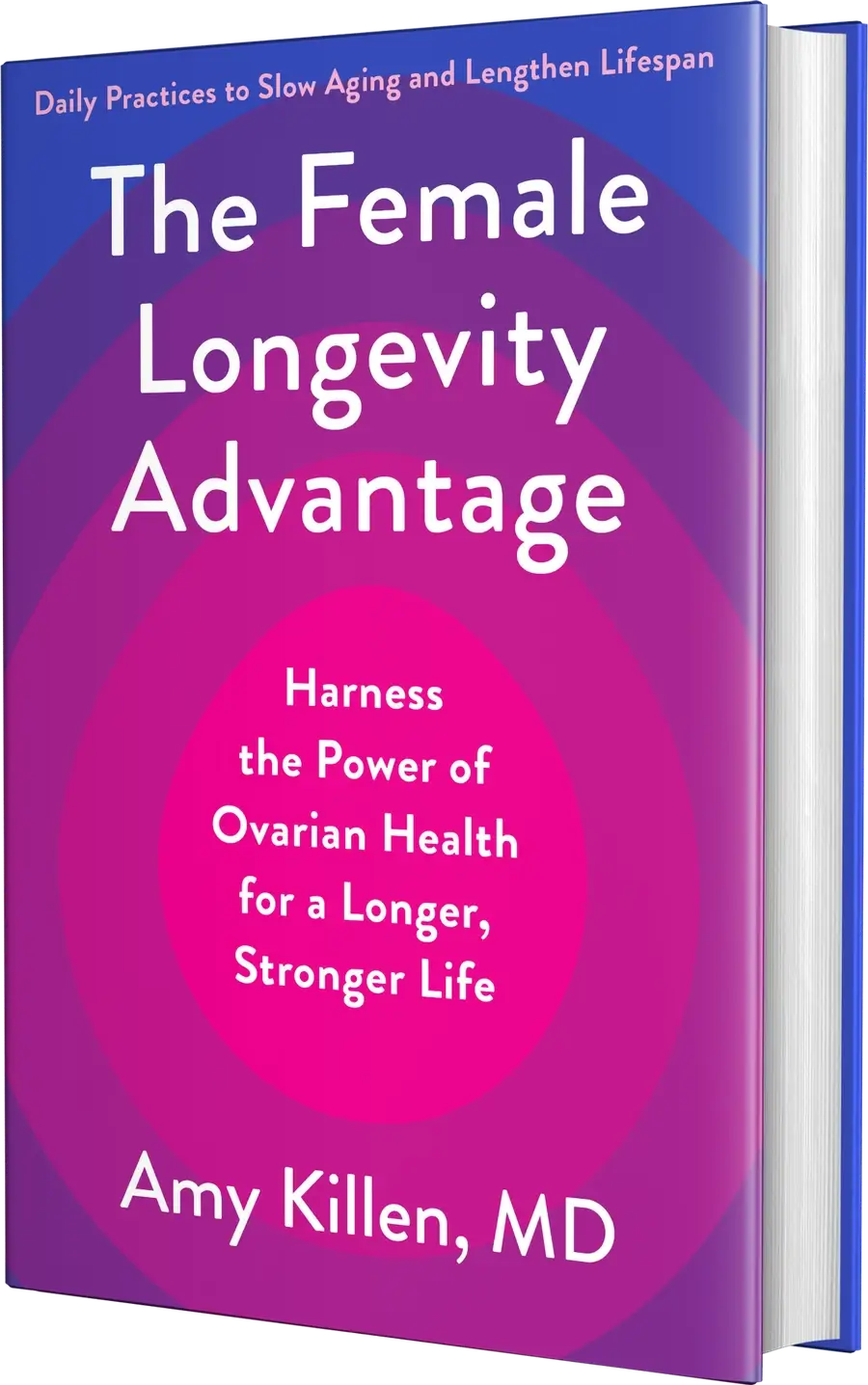
My new book · On sale February 23, 2027
The Female Longevity Advantage
Women outlive men by almost five years. Almost nobody asks why. My book is the playbook for how female bodies actually age, and how to keep the advantage you were born with. Pre-order in any format and get three free bonuses.
When should you see a doctor?
Seek evaluation if you have:
- Symptoms that disrupt sleep, mood, work, or relationships
- Very heavy bleeding, bleeding between periods, or bleeding after menopause (this always needs evaluation)
- Periods stopping before age 40 or symptoms starting that early
- Questions about hormone therapy or other treatment options
Treatment is available at both stages. Options may include menopausal hormone therapy, non-hormonal medications, vaginal estrogen, and lifestyle strategies. The right choice depends on your age, symptoms, health history, and risk factors, and should be individualized with a clinician.
Frequently asked questions
Can you get pregnant during perimenopause?
Yes. Ovulation becomes irregular but does not stop completely, so pregnancy is still possible. Contraception is generally recommended until menopause is confirmed, which is 12 months without a period.
How long does perimenopause last?
It varies. The average is roughly four years, but it can last from a few months to around ten years.
Do I need a blood test to know if I’m in perimenopause?
Usually not. In women over 40, perimenopause is typically diagnosed from symptoms and menstrual pattern. Hormone levels fluctuate day to day during perimenopause, so a single FSH or estradiol result can be misleading.
At what age does menopause happen?
The average age of menopause in the United States is about 51, with a typical range of 45 to 55. Menopause before age 40 is considered premature ovarian insufficiency and warrants medical evaluation.
Want clear, physician-written hormone health information in your inbox? Get my weekly newsletter.
This article is for educational purposes only and is not individual medical advice; please consult your own clinician about your health.