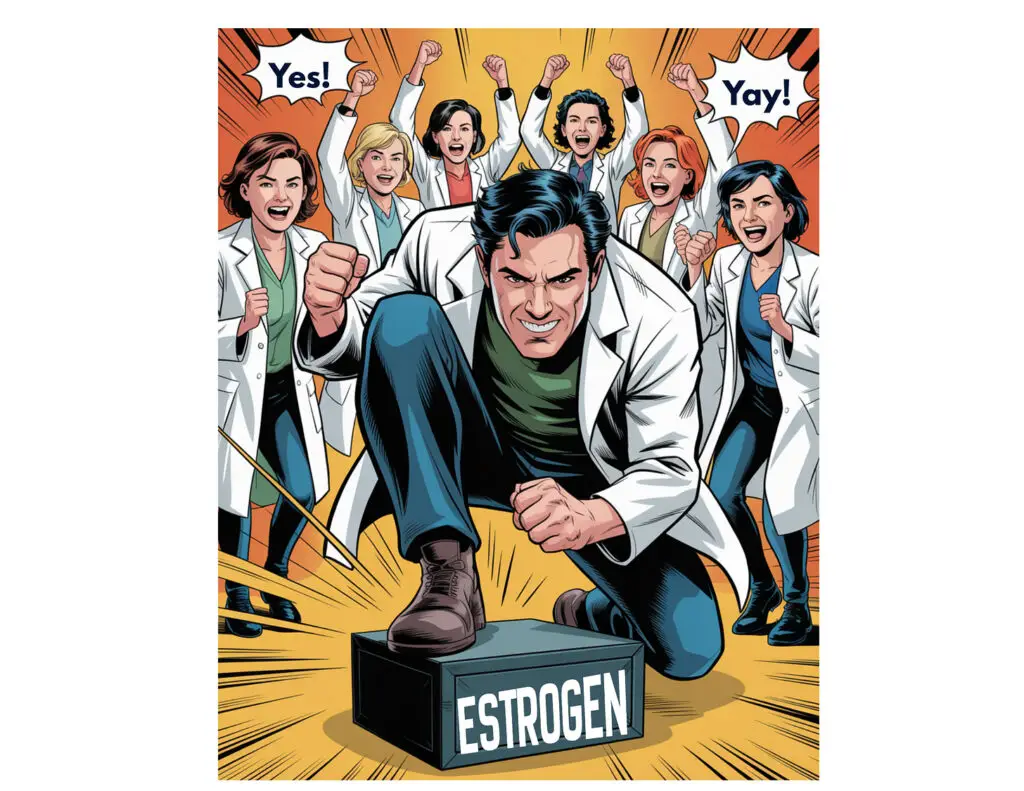
It’s all over the internet. Doctors are flooding social media, celebrating the FDA’s November 10th announcement that it would finally remove most of the black box warnings from estrogen. There are galas. Dancing in the streets of Washington D.C. Everyone has come out of the woodwork to join the festivities of this landmark decision by Dr. Martin Makary and his FDA.
It’s a good thing. A very good thing.
So why has this decision left me feeling… pissy?
There’s no other word for it. I’m pissed. I have a deep sense of dis-ease and a not-so-far-from-the-surface anger.
To be clear, the decision is absolutely good for women. I applaud the FDA, and I REALLY applaud the physicians and scientists who brought the absurdity of the black box warning on estrogen to the floor of the FDA in July 2025. What you did for women has not gone unnoticed and will have far-reaching positive effects.
And yet…. The disappointment is still there. The fury still rolls.
Before I get to why I’m having such a paradoxical reaction to a great decision, let’s quickly review how the black box warning got there in the first place.
The Original Sin
In 2003, the FDA slapped a “black box warning” on all estrogen products based on data from the Women’s Health Initiative (WHI). The warning stated that: a) estrogens increase the risk of endometrial cancer, b) oral conjugated estrogens (CEE) combined with medroxyprogesterone acetate (MPA) increase the risk of myocardial infarction, stroke, invasive breast cancer, pulmonary emboli and deep vein thrombosis, and c) oral CEE + MPA increased the risk of dementia in women over 65.
Now, understand that everything above is correct. The combination of synthetic oral estrogen (CEE, aka Premarin) with synthetic progestins (MPA, aka Provera) does increase the risk of all those things. That’s why we don’t use them anymore except in rare cases.
The problematic part comes next. The warning goes on: “other doses of oral conjugated estrogens with medroxyprogesterone acetate, and other combinations and dosage forms of estrogens and progestins were not studied in the WHI clinical trials and, in the absence of comparable data, these risks should be assumed to be similar…”
That’s the part that caused decades of damage. Because the “other forms” of these hormones, including (bioidentical) estradiol and progesterone, do not carry the same risks at all.
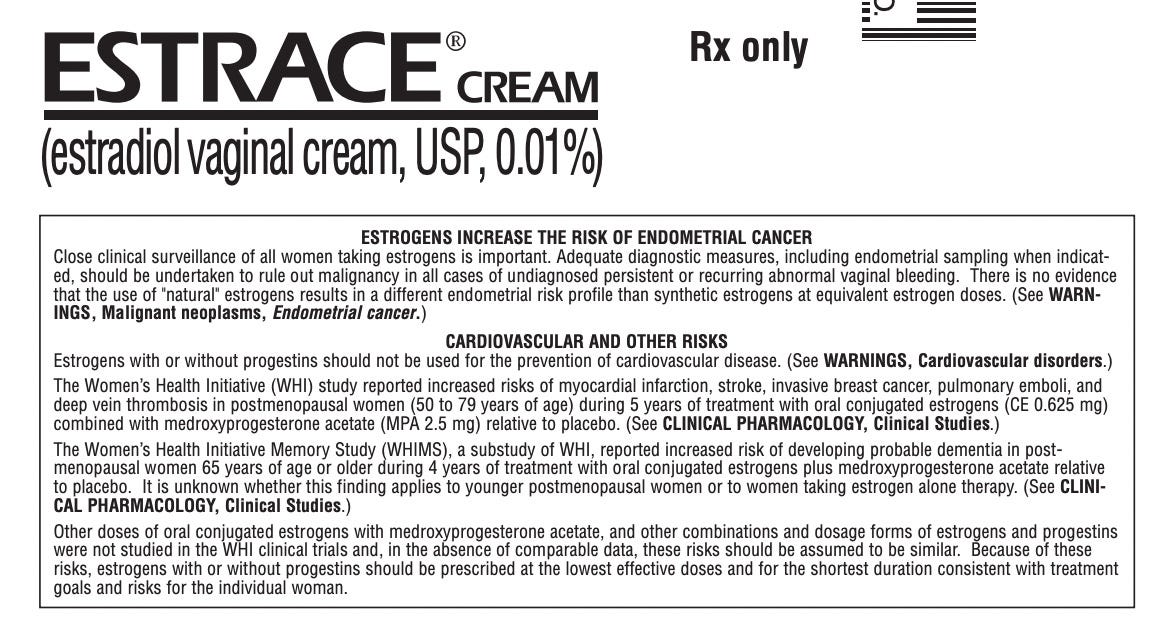
There’s no doubt this language needed revising, especially as it relates to low-dose vaginal estradiol, which has not been associated with any of those things (though it might still be associated with increased endometrial cancer risk at higher doses, so we should still monitor).
Why I’m Still Furious
Three reasons:
1. We’ve known this for over a decade.
Contrary to what many online pundits are saying, these changes didn’t happen because of some big, new study or scientific revelation. We’ve known that bioidentical estradiol and progesterone, when used appropriately, don’t increase the risk of endometrial cancer, breast cancer, blood clots, cardiovascular disease, or dementia for more than a decade. I began learning about these hormones in 2011, and we already had good studies supporting their safety. So it’s irritating that we’re acting like some revelation fell from the heavens. It didn’t. We’ve known.
2. The black box was a convenient excuse, not an actual barrier.
Yes, the black box warning contributed to doctors’ reluctance to prescribe these hormones. But that doesn’t make me less upset that doctors chose to remain uneducated and used this warning to stay ignorant. A black box warning does not mean we can’t prescribe medications. Over 400 drugs now come with black box warnings, yet doctors prescribe them every day.
Here’s a list of commonly prescribed medications with black box warnings:
-
Antidepressants (Prozac, Celexa) – increased risk for suicidal thoughts
-
NSAIDs (Advil, Aleve) – increased cardiovascular and gastrointestinal risk
-
Fluoroquinolone antibiotics (levofloxacin) – tendon rupture, neuropathy, CNS effects
-
Oral contraceptives – increased risk of blood clots
-
Benzodiazepines (Valium, Xanax) – addiction, abuse, withdrawal seizures
Doctors haven’t been scared away from using these medications. Instead, they did their research, evaluated the risks and benefits, and prescribed them when appropriate. So why did we let the somewhat-misleading-but-not-actually-false black box warning on estrogen keep us from prescribing it?
3. There’s been no apology.
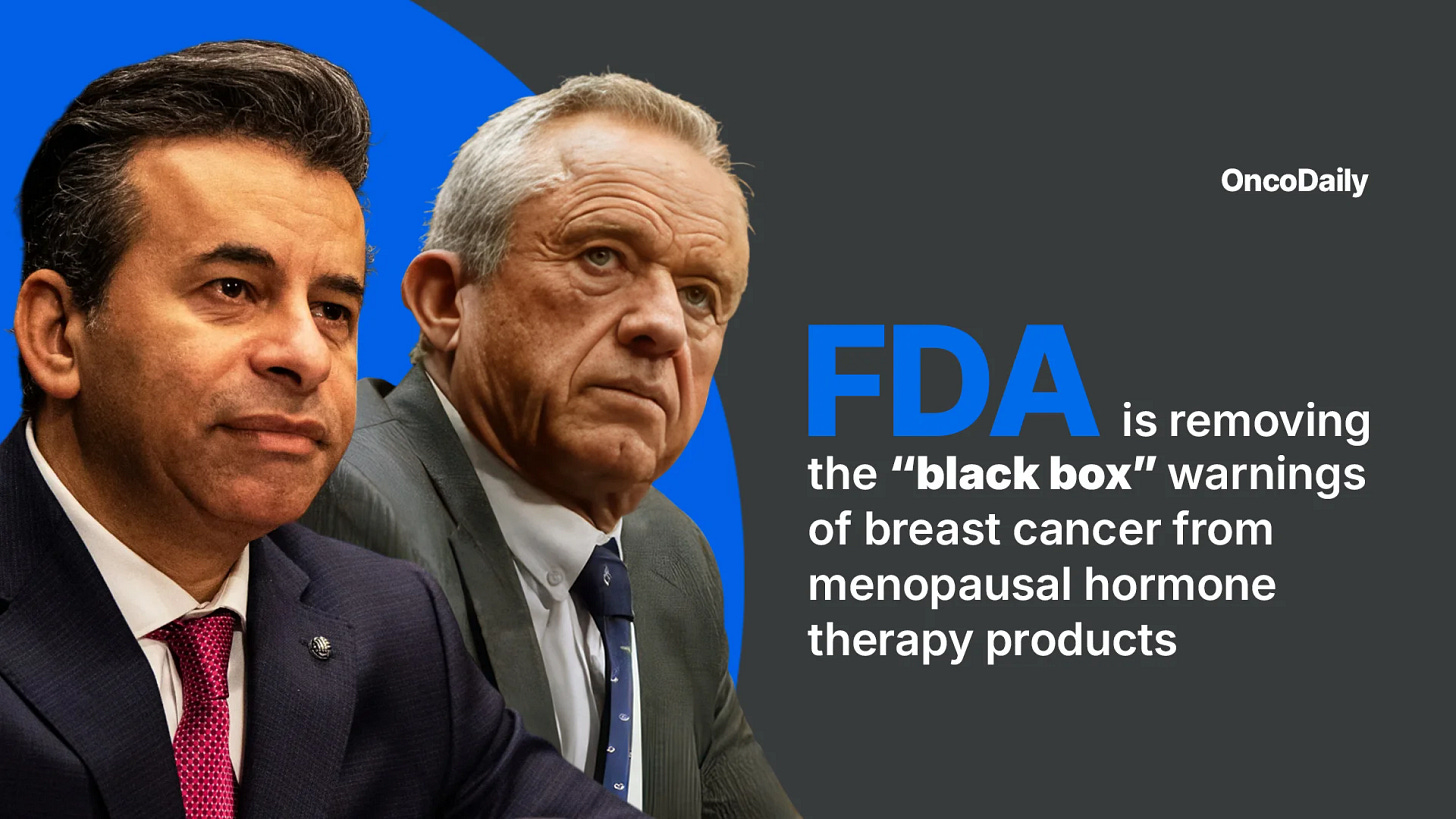
I realize our current FDA wasn’t responsible for decisions made by its predecessors. I appreciate that Marty Makary acknowledged that “tragically, tens of millions of women have been denied the life-changing and long-term health benefits of hormone replacement therapy because of a medical dogma rooted in a distortion of risk…”
But I would have liked to see an apology from the FDA to all the women who were harmed by this black box warning. And if I’m being honest, I’d love to see an apology from the physicians who used the black box as a crutch to continue their decades-long parade of ignorance about menopause hormone therapy. Women paid the price.
Women like Sarah from social media, who suffered for six years with debilitating interstitial cystitis and recurring UTIs because her doctors wouldn’t prescribe estrogen. Women like my mom, who broke her hip two years ago and now walks with a cane. Women like my now-patient Barbara, who suffered with severe depression and suicidal ideation during perimenopause before finding a doctor who cared enough to treat the root cause instead of throwing SSRIs at her.
It would be funny if it weren’t so sad – we’re happy to use other black box warning drugs like NSAIDs, SSRI antidepressants, and antibiotics to treat the symptoms and consequences of hormone withdrawal, but we were apparently incapable of looking past the boxed warning on estrogen to treat the real problem.
Moving Forward
As I wrap up this rather downer post, I want to do two things.
First, I’d like to issue my own apology. I’ve tried to help as many of you as I could through education, but I should have done more. Maybe if I’d gathered up my early hormone-prescribing friends from 2013 and pounded on the doors of the FDA, we could have saved years of suffering. I’m sorry I didn’t do more personally, and I sincerely want to thank the doctors and scientists who cared enough to push this agenda in Washington.
Thank you to the following expert panel members who testified on July 17, 2025 at the FDA (or had their research presented):
-
JoAnn V. Pinkerton, MD, MSCP, FACOG – Professor of Obstetrics and Gynecology, Division Director Midlife Health, University of Virginia Health System; Past President and Emeritus Executive Director of The Menopause Society; Chair of 2017 NAMS Position Statement on Hormone Therapy
-
Rachel S. Rubin, MD – Urologist and Sexual Medicine Specialist; Assistant Clinical Professor in Urology at Georgetown University Hospital
-
Philip Sarrel, MD – Professor Emeritus of Obstetrics, Gynecology, and Reproductive Sciences and Psychiatry, Yale School of Medicine
-
James A. Simon, MD, CCD, NCMP, IF – Clinical Professor at George Washington University; Founder and Medical Director of IntimMedicine Specialists
-
Vonda Wright, MD, MS – Orthopaedic Surgeon; Associate Professor of Orthopaedic Surgery at University of Central Florida; Founder & CEO of Precision Longevity
-
Stephanie Faubion, MD – Medical Director of The Menopause Society; Director of Mayo Clinic Center for Women’s Health
-
Heather Hirsch, MD – Mentioned in several reports as testifying
-
Kelly Casperson, MD – Board-certified urologist; expert and advocate for sexuality and hormones (testified about testosterone access)
-
JoAnn Manson, MD, MPH, DrPH – Chief of Preventive Medicine at Brigham and Women’s Hospital; Past President of The Menopause Society (attended virtually, had Pinkerton present her data)
Finally, to end on a good note: I’m quite optimistic. Words matter. Actions matter more. Thank you to the FDA for making this change. It’s now time for us to ride this momentum and get these hormones to more of the women who need them.
Let’s go!
This article was originally published on Dr. Amy Killen’s Substack newsletter. Subscribe for free to get new posts delivered to your inbox.
Are you a medical provider? Learn to prescribe hormone optimization therapy with the frameworks, protocols, and confidence you didn’t get in training.
Get Dr. Amy Killen’s Newsletter
Hormones, longevity, and regenerative medicine — straight talk from a physician who actually prescribes it. Free, weekly-ish, no spam.